

Pit Bulls: Breaking the Stigma, One Dog at a Time
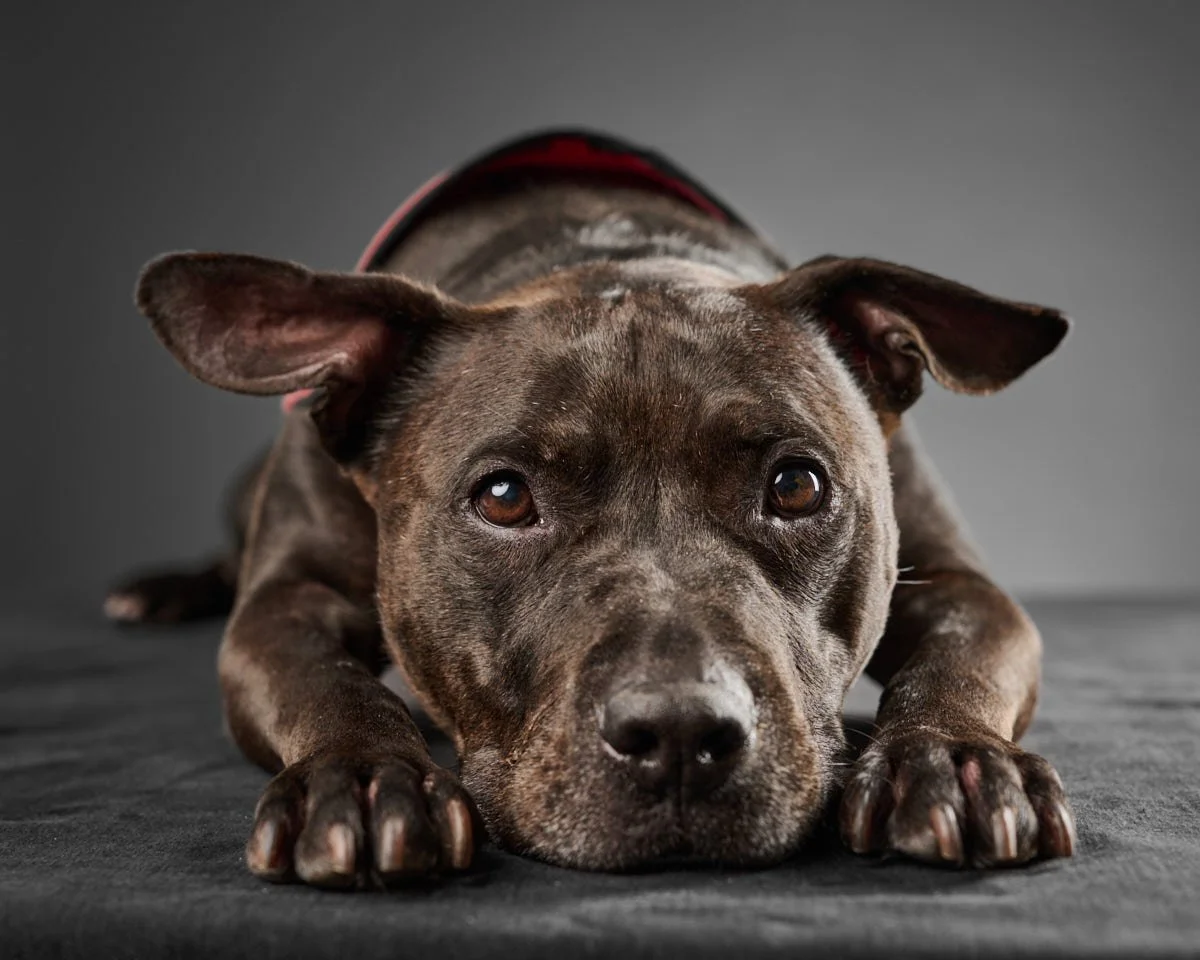
Savvy, senior pit bull rescued and adopted from Brandywine Valley SPCA; West Chester, PA
October is Pit Bull Awareness Month. A good time to talk about the dogs behind the headlines, the Pit Bull stigma and misconceptions surrounding them, and why so many are still waiting for someone to give them a chance.
The Reputation Doesn't Tell the Whole Story
Mention the words "Pit Bull" in a conversation, and you'll likely get a reaction.
For some, it's immediate affection. For others, it's hesitation, fear, or an assumption that these dogs are naturally aggressive, unpredictable, and ready to attack anything in their path.
Unfortunately, much of that perception comes from headlines, disturbing stories, and people who have never actually spent time with one.
Spend an afternoon with a well-socialized, affectionate Pittie, and you may find yourself pinned to the couch beneath 60 pounds of snoring, wiggling, attention-seeking baby hippo.
Personal space? Apparently optional.
I've had the pleasure of knowing and photographing quite a few of these sweet beans, including our own Sylvia, one of our two foster failures. What I've experienced is a breed type often misunderstood by people who haven't had the opportunity to know one.
Pit Bulls can be incredibly affectionate, loyal, playful companions. They can also be strong, energetic dogs who need responsible owners, proper socialization, training, and an understanding of their individual personalities.
Just as with any dog, temperament matters. Their history, environment, experiences, and care all play a role in how they respond to the world.
And that's where I believe the conversation needs to change.
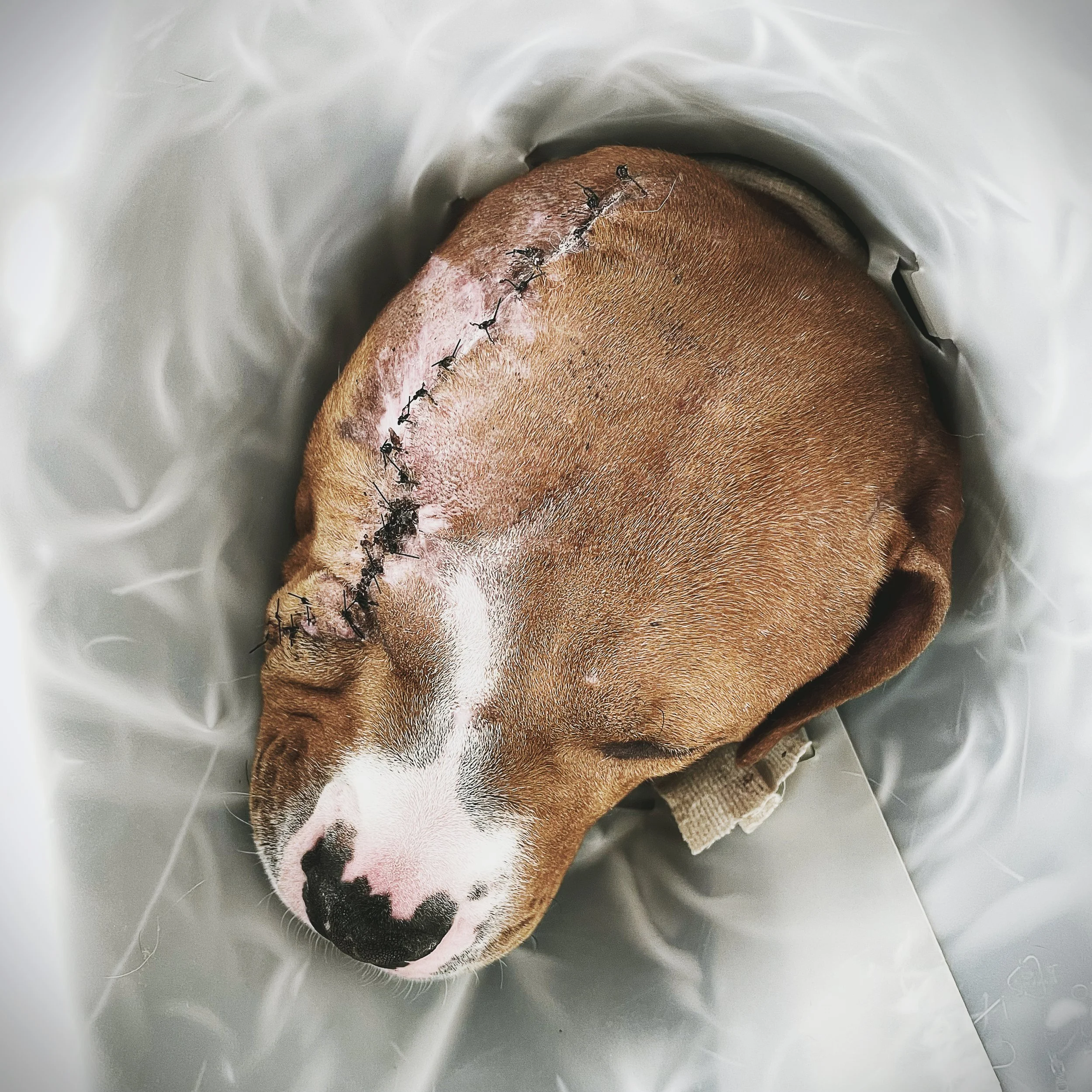
Sylvia, a female pit bull discarded bait dog who was rescued by The Philly Bully Team
The Dogs Who Never Had a Fair Start
One of the most difficult parts of being involved with rescue is seeing just how many Pit Bull-type dogs end up in shelters, often labeled by appearance alone. We've affectionately started referring to many of these mystery mixes as NoClue Dog Breed pups....because, well, we really have no clue what combination of breeds they are. And frankly, does it matter? They’re all beautiful just the same.
Some are surrendered because their owners can no longer care for them. Others have been abandoned, neglected, or repeatedly bred for profit before being discarded when they're no longer considered useful.
Then there are the dogs who have experienced something even worse.
Dogfighting.
Some are forced to fight. Others are suspected of having been used as bait animals, subjected to terrible abuse in an effort to train or test other fighting dogs.
It's difficult to comprehend how anyone could deliberately inflict that kind of suffering on an animal.
For anyone interested in understanding more about these survivors and the rehabilitation process, Greater Good has published an informative article:
What Is a Bait Dog? How to Help These Survivors Rehabilitate
It's important to understand that scars and injuries alone don't establish that a dog was used as bait. Each animal's history needs to be evaluated carefully, especially when so much of that history may be unknown.
What we do know is that many dogs arrive at rescues frightened, physically injured, poorly socialized, or unsure whether they can trust another human.
They need time, patience, experienced care, and sometimes extensive veterinary treatment and behavioral rehabilitation.
They don't need another label working against them.
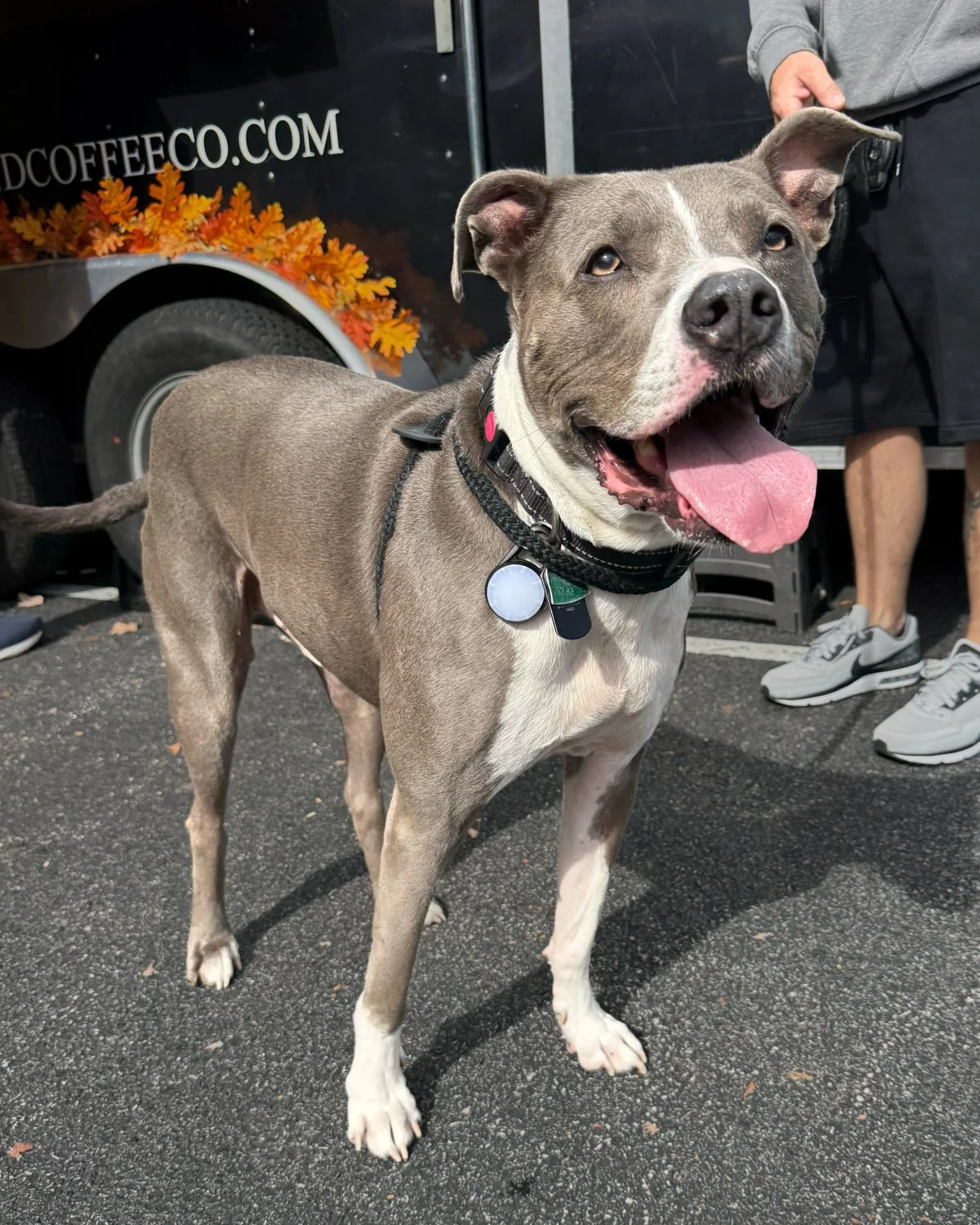
Keto, pit bull who we met at Nami Walks event in West Chester, PA
Rescue Is About Responsibility, Not Just Good Intentions
I think it's important to recognize the work that happens long before a rescue dog is photographed for an adoption profile or introduced to a potential family.
Responsible rescue organizations don't simply take a dog off the street and hand over the leash to the first person who shows interest.
They work to understand the individual animal.
How does the dog respond to unfamiliar people? Other dogs? Children? New environments? Are there medical issues, anxiety, triggers, or behaviors that need attention?
Some dogs are ready for adoption relatively quickly. Others require months of rehabilitation, training, or specialized placement. And not every dog is suited to every household.
That assessment protects both the animal and the people who may eventually welcome them home.
We're fortunate to have organizations doing this work throughout southeastern Pennsylvania, here are just a few... The Philly Bully Team, Providence Animal Center, LaMancha Animal Rescue and Lucky Dawg Animal Rescue.
These organizations and their volunteers deserve recognition for the time, resources, and emotional investment that goes into giving animals another opportunity at life.
Their work doesn't always make the evening news, but it certainly deserves more attention.
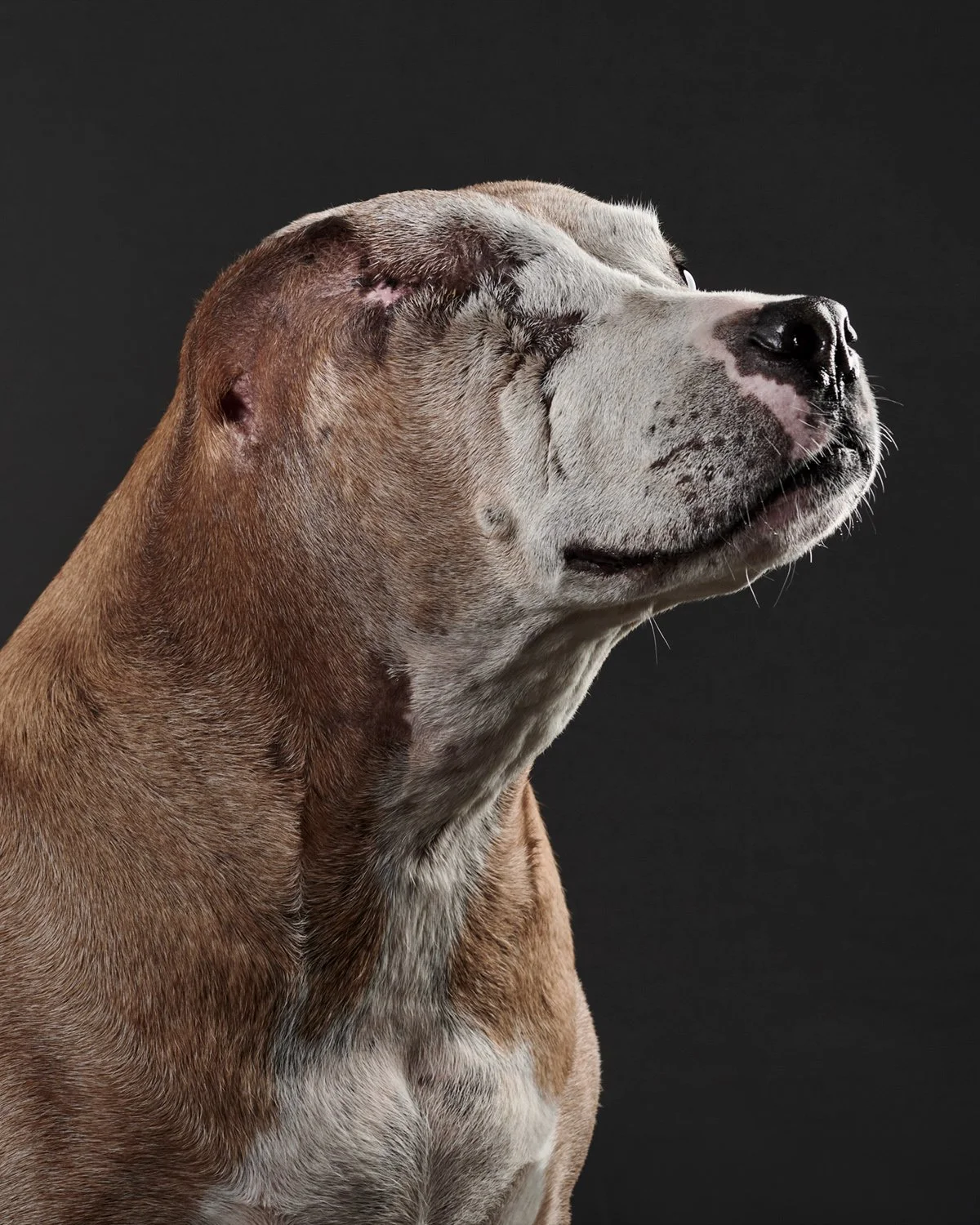
Sylvia, our foster fail and catalyst behind the mission of DubC Dog Portraits
Sylvia Changed Our Lives
Our Sylvia came to us through The Philly Bully Team after being rescued from the streets of New York City.
She had suffered significant injuries and required multiple surgeries, including reconstruction involving her eyes and ear canals.
We originally agreed to foster her while she recovered.
That was the plan, anyway.
What followed was months of veterinary appointments, healing, patience, and watching this beautiful dog slowly settle into a home where she no longer had to worry about what might happen next.
Well, as the story goes, fostering turned into family.
Today, Sylvia is one of our three dogs, sharing the house with Piper and Scout.
She's affectionate, wonderfully stubborn, and perfectly happy to take up far more couch space than her size should reasonably allow.
Her past is part of her story, but it doesn't define the dog she is today.
And she's one of the biggest reasons I feel so strongly about changing the way people look at Pit Bulls.
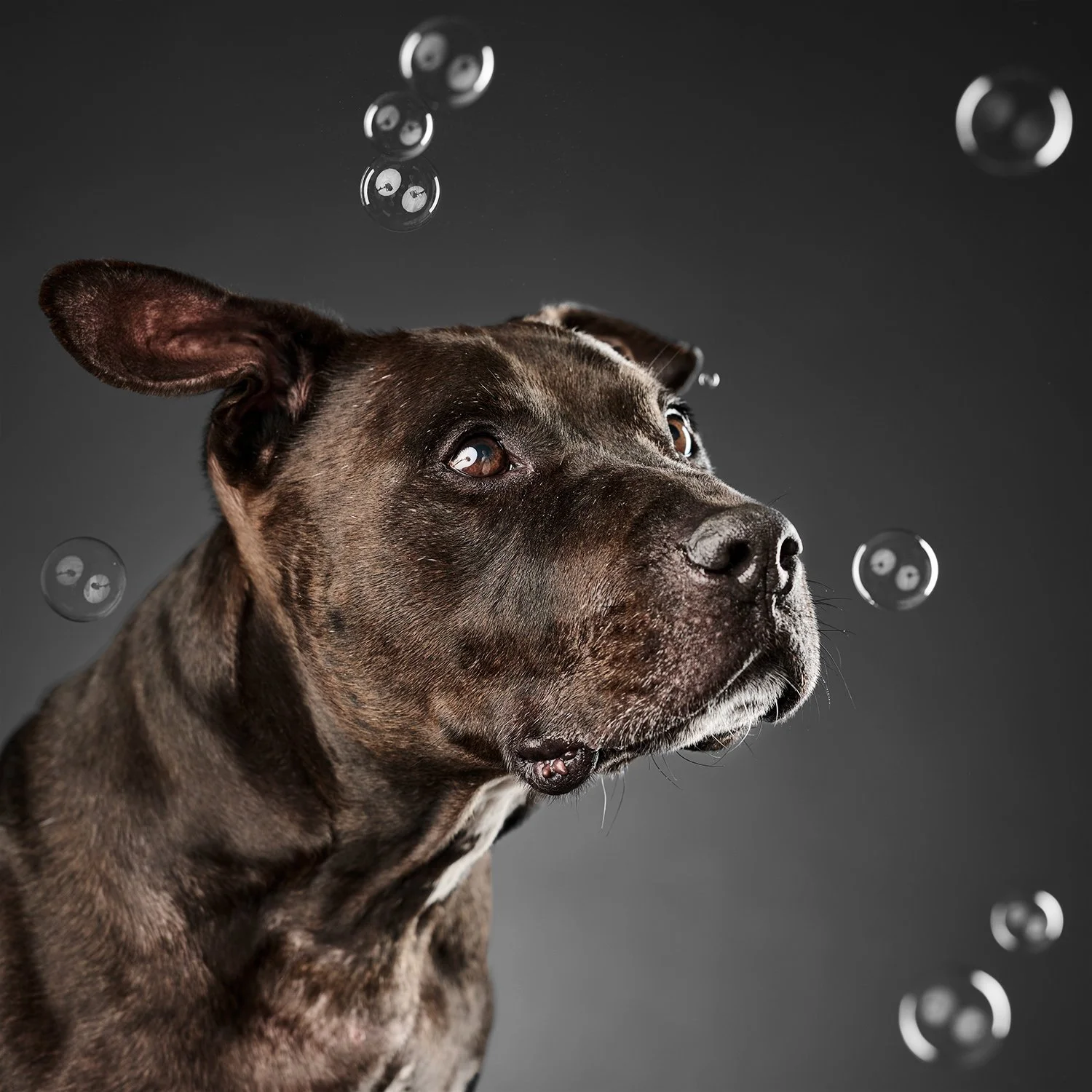
Savvy with bubbles, while he was waiting for adoption.
Changing the Conversation Through Photography
When I started DubC Dog Portraits here in West Chester, Pennsylvania, I wanted to create more than beautiful portraits of people's pets.
I also wanted to use my photography to support rescue organizations and help bring attention to dogs who are too often overlooked.
A professional portrait can't erase an animal's past. It can't guarantee an adoption or change someone's opinion overnight.
But it can help people see a dog differently.
Instead of another snapshot taken through a shelter kennel, they see an expressive face, a curious head tilt, a gentle pair of eyes, or that wonderfully ridiculous smile.
They begin to see a personality rather than a label.
That's one of the reasons I enjoy photographing rescue dogs, particularly seniors, dogs with physical differences, and those who have spent far too long waiting for a home.
Every dog deserves to be seen as an individual.
And sometimes a photograph is the introduction that gets someone to stop scrolling and learn a little more.
Let's Change the Stories We Share
I'm not suggesting that every Pit Bull is the perfect dog for every family, or that we should overlook legitimate behavioral concerns, which happen in every breed.
That wouldn't be fair to the dogs or the people adopting them.
What I am suggesting is that we stop assuming a dog's appearance tells us everything we need to know about its temperament.
The term "Pit Bull" itself is commonly used to describe several breeds and mixes, often based on appearance alone. That makes sweeping judgments about these dogs even less useful.
Let's give more attention to the families who have adopted them successfully. The rescue volunteers who spend months helping frightened dogs learn to trust. The foster homes that provide a safe place to recover. And the dogs who have come through terrible circumstances yet still find a way to enjoy a belly rub, a favorite toy, or an afternoon on the couch.
Those stories deserve headlines, too.
If you've never spent time with a Pit Bull, consider getting to know one through a reputable rescue or someone who understands their dog well.
You may discover that the intimidating-looking dog standing in front of you is actually hoping you'll sit down so they can climb into your lap.
And if you're considering adoption, take the time to learn about the individual dog, ask questions, and work with a rescue that takes matching dogs with appropriate homes seriously.
Let's break the stigma by sharing better information, supporting responsible rescue, and telling more of the stories that rarely make the news.
Because behind those big heads, broad shoulders, and pittie smiles are individual dogs who deserve to be understood.
And quite a few who firmly believe they're lap dogs.
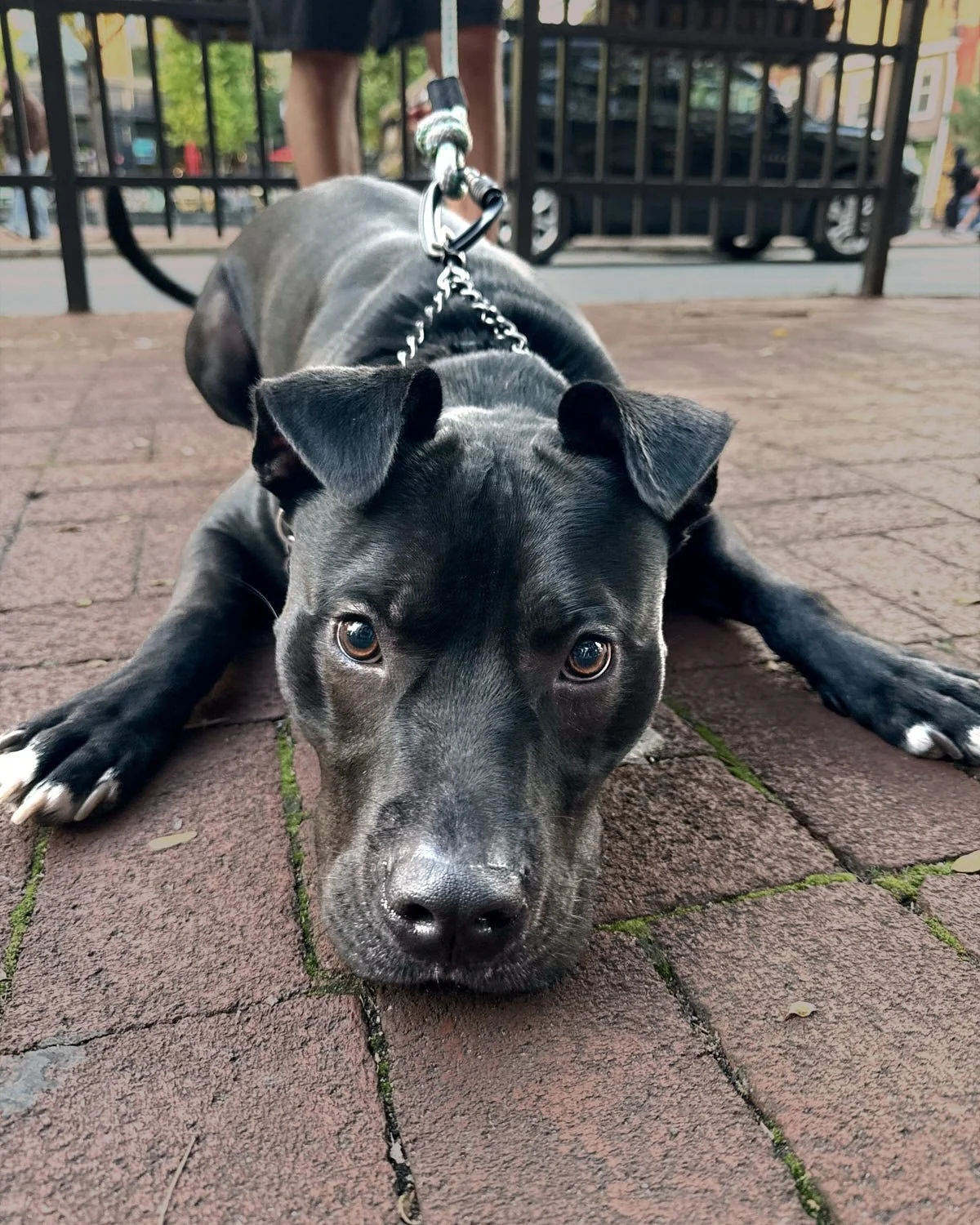
Gulliver, a pit bull out sniffing and exploring the streets of West Chester, PA
Common Questions About Pit Bulls and Rescue
Are Pit Bulls naturally aggressive?
A dog's breed label alone doesn't tell you how that individual dog will behave. Genetics, early experiences, socialization, training, health, and environment all contribute to temperament. Pit Bull-type dogs can be affectionate family companions, but they also need responsible handling, just like any other dog.
Can a rescued Pit Bull become a good family dog?
Absolutely, many do. But successful adoption depends on understanding the individual dog's history, temperament, behavior, and needs. Responsible rescues assess these factors and work to match dogs with households where they're most likely to succeed.
Can dogs rescued from abuse learn to trust people again?
Many can, although recovery looks different for every dog. Veterinary treatment, patient handling, positive reinforcement, and professional behavioral support can help. Some dogs recover relatively quickly, while others need extended care and carefully managed environments.
How can I help Pit Bulls waiting for adoption in Pennsylvania?
Consider fostering, volunteering, donating, sharing adoption profiles, or adopting through an established rescue. Organizations such as The Philly Bully Team, Providence Animal Center, and Brandywine Valley SPCA provide opportunities to support dogs in need. Even sharing an adoptable dog's photograph can introduce them to someone who might become their future family.
Roman Coia
Roman Coia Photographer | DubC Dog Portraits
West Chester, Pennsylvania
Learn more about the rescues doing this work: The Philly Bully Team | Providence Animal Center | LaMancha Animal Rescue | Lucky Dawg Animal Rescue
Follow @dubc.dogs for rescue stories, adoption awareness, and portraits celebrating the personalities of the dogs we meet.
